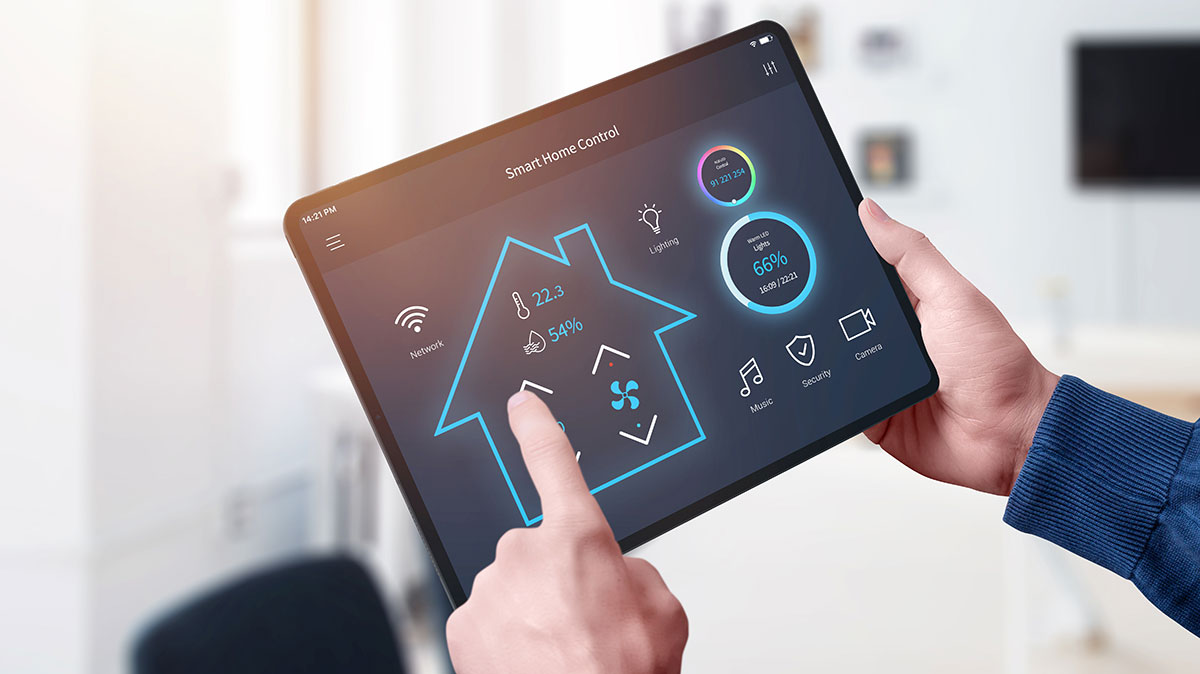
Technology has transformed the way we live, work, and interact with our homes. As someone who has spent years overseeing homebuilding projects and managing residential properties, I have seen the rise of smart homes reshape what buyers expect from their living spaces. Modern homeowners want more than just a beautiful design. They want comfort, convenience, and efficiency, all seamlessly integrated through technology. The future of homebuilding is centered around creating spaces that are not only luxurious but also intelligent and responsive to the needs of those who live in them.
Understanding Smart Homes
Smart homes use technology to enhance daily living. From automated lighting and climate control to security systems and voice-activated assistants, smart features allow homeowners to control their environment with ease. Integrating these systems into a home is not just about adding gadgets. It is about creating a cohesive ecosystem that works together to improve comfort, save energy, and simplify everyday tasks.
Convenience at Your Fingertips
One of the most significant benefits of smart home technology is convenience. Imagine walking into a home where the lights adjust automatically, the thermostat sets the perfect temperature, and your favorite music begins to play. These features are designed to respond to your routines and preferences. For busy families or professionals, this level of automation saves time and reduces stress.
Enhanced Security and Peace of Mind
Security is another area where smart technology adds value. Modern systems allow homeowners to monitor cameras, lock doors remotely, and receive alerts if unusual activity is detected. These features provide peace of mind, especially for those who travel frequently or have children at home. A smart security system is not only protective but also integrates seamlessly with other home automation features for a complete and cohesive solution.
Energy Efficiency and Sustainability
Smart homes are not just about convenience and comfort. They are also about efficiency and sustainability. Energy-efficient systems can significantly reduce utility costs while minimizing environmental impact.
Smart Climate Control
Automated thermostats and zoning systems allow homeowners to adjust temperatures in individual rooms based on usage patterns. These systems reduce unnecessary energy consumption and maintain a consistent, comfortable environment. Over time, they can lead to substantial savings on heating and cooling costs while supporting sustainable living practices.
Intelligent Lighting
Smart lighting systems adjust brightness and color based on the time of day, occupancy, or natural light levels. This reduces energy waste and enhances the ambiance of a home. Motion sensors and automated schedules ensure that lights are only in use when needed, contributing to overall energy efficiency.
Water Conservation and Appliance Efficiency
Water-saving devices and energy-efficient appliances are also key components of a smart home. Intelligent irrigation systems, low-flow fixtures, and smart dishwashers or washing machines help reduce water usage and utility expenses. Homeowners benefit from these systems without sacrificing comfort or functionality.
Integration and Ease of Use
For smart home technology to truly enhance a living space, it must be integrated and user-friendly. Multiple systems should communicate with each other and operate through a central platform.
Unified Home Control
A well-integrated smart home allows residents to control lighting, climate, security, and entertainment from a single device or app. This simplifies management and makes technology accessible to all members of the household. It also ensures that features work in harmony rather than independently, creating a seamless living experience.
Customization and Personalization
Modern homeowners want homes that reflect their lifestyle. Smart technology allows for customization of routines, notifications, and preferences. Whether it is setting morning routines, adjusting lighting for a movie night, or scheduling appliances, personalization enhances the overall satisfaction and comfort of the home.
Preparing for the Future
The trend toward smart homes is only going to grow in the coming years. Buyers are increasingly prioritizing technology as a standard feature rather than a luxury. As a builder and property manager, it is essential to stay ahead of these trends to meet expectations and provide value.
Educating Homeowners
Integrating smart technology into a home requires more than installation. Homeowners need guidance on how to use and maintain these systems effectively. Educating clients about features, benefits, and best practices ensures they can maximize the potential of their smart home and enjoy a seamless experience.
Planning for Upgrades
Technology evolves rapidly. Planning a home with future upgrades in mind ensures that systems remain relevant and functional for years to come. Modular systems, expandable networks, and flexible platforms allow homeowners to incorporate new devices and innovations without significant disruption or expense.
Conclusion
Smart homes represent the future of residential living, combining comfort, convenience, efficiency, and sustainability. By integrating technology thoughtfully, builders and homeowners can create spaces that are responsive to individual needs while reducing energy consumption and enhancing overall quality of life.
For me, the most rewarding aspect of smart home design is seeing how these systems improve daily living. Homeowners enjoy the convenience of automation, the peace of mind from advanced security, and the efficiency of energy-saving features. These benefits go beyond functionality; they transform homes into spaces that are truly intuitive and aligned with modern lifestyles.
The future of homebuilding is not just about aesthetics or square footage. It is about designing homes that are intelligent, sustainable, and adaptable. Smart homes provide a blueprint for this future, offering comfort, efficiency, and innovation without compromise. By embracing technology thoughtfully and intentionally, we can create homes that meet the needs of today while preparing for the possibilities of tomorrow.