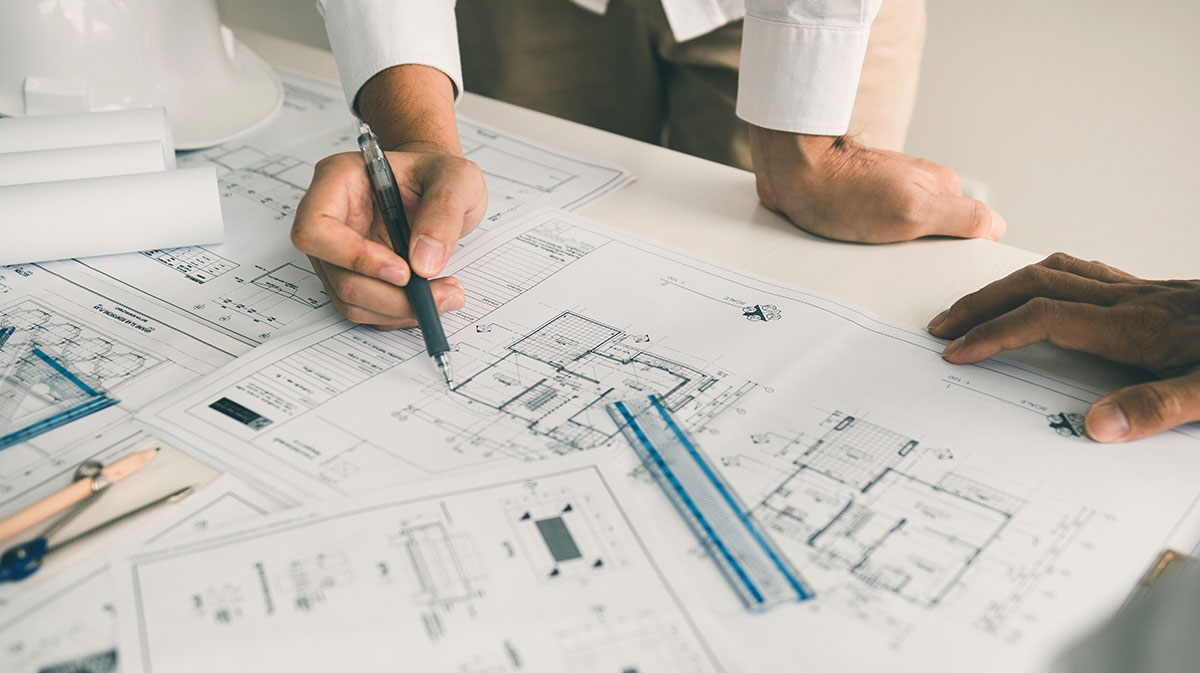
Building a home is an exciting and rewarding experience, but it is also a complex process that requires careful coordination. As someone who oversees operations and works closely with clients, contractors, and city departments, I have seen firsthand how proper pre-planning and organization can make or break a project. Without clear systems and careful attention to detail, even small issues can escalate into costly delays. A successful build is not just about construction; it is about preparation, communication, and maintaining a structured workflow from start to finish.
The Importance of Pre-Planning
Pre-planning is the foundation of every successful construction project. It involves understanding the project’s scope, anticipating challenges, and establishing a roadmap for execution.
Setting Clear Goals
Before a single nail is driven, it is important to define the goals of the project. This includes the design vision, budget, timeline, and quality standards. Clear goals provide direction for every team member and allow everyone to understand what success looks like. When the entire team shares the same objectives, decisions can be made quickly and effectively.
Detailed Project Timeline
Creating a detailed project timeline helps identify critical milestones and dependencies. This includes deadlines for permitting, inspections, material deliveries, and contractor work. A well-structured timeline ensures that each phase of the build progresses in order and reduces the risk of overlapping tasks that can cause delays.
Identifying Potential Challenges
Every project has potential obstacles, whether they involve permitting, supply availability, or weather conditions. Anticipating these challenges and building contingencies into the plan helps prevent disruptions. Pre-planning allows the team to respond quickly when unexpected issues arise without compromising the project schedule.
Organization on the Job Site
Organization extends beyond planning. It is about keeping the job site, the team, and the project information structured so that work can proceed smoothly.
Efficient Team Coordination
A build involves multiple professionals, including contractors, engineers, architects, and subcontractors. Coordinating schedules, responsibilities, and communication is critical. Clear roles and expectations allow each team member to focus on their tasks while ensuring collaboration and accountability.
Tracking Materials and Deliveries
Delays often occur when materials arrive late or are misplaced. Keeping an organized system for tracking deliveries, inventory, and storage ensures that materials are available when needed. This prevents work stoppages and helps maintain the overall timeline.
Documentation and Communication
Keeping accurate records of plans, approvals, inspections, and communications is essential. Organized documentation allows the team to reference information quickly and provides a clear trail for accountability. Regular communication between all parties ensures that any changes or updates are understood and implemented immediately.
Collaboration With Clients
A successful build is also built on strong client relationships. Keeping clients informed and involved prevents misunderstandings and ensures that their expectations are met.
Regular Updates
Providing clients with consistent progress updates helps them understand where the project stands. This includes completed milestones, upcoming work, and any challenges encountered. Regular updates foster trust and confidence in the process.
Clear Decision-Making
Clients often need to make choices about finishes, fixtures, and design elements. Presenting options clearly and setting deadlines for decisions helps keep the project on track. Delayed decisions can create bottlenecks and extend the timeline unnecessarily.
Managing Expectations
Even with careful planning, unexpected issues can arise. Being honest about potential delays or changes in scope helps clients remain informed and prepared. Managing expectations reduces stress for both the client and the team.
Preventing Costly Delays
Delays in construction can be expensive, affecting budgets, schedules, and client satisfaction. Proper organization and pre-planning are the best tools for preventing these setbacks.
Prioritizing Critical Tasks
Not all tasks have the same impact on the timeline. Identifying critical path tasks and ensuring they are completed on time prevents delays from cascading throughout the project. This includes securing permits, completing inspections, and coordinating key trades.
Proactive Problem Solving
Issues will inevitably arise during construction. The difference between a minor disruption and a costly delay is how quickly and effectively the team responds. Pre-planning allows for proactive problem-solving, giving the team a framework to address challenges efficiently.
Maintaining Flexibility
Even with the best planning, flexibility is necessary. Weather, supply issues, or unforeseen site conditions can require adjustments to the timeline or workflow. Organized teams that communicate well can adapt quickly while minimizing impact on the overall project.
Lessons Learned From Experience
Over the years, I have learned that pre-planning and organization are the most effective strategies for successful builds. By focusing on preparation, maintaining structured workflows, and keeping communication clear, projects can move forward smoothly, on time, and on budget.
Attention to Detail
Small details often make the biggest difference. Checking plans, confirming deliveries, and monitoring work quality consistently prevents problems before they escalate. Attention to detail is a hallmark of professional construction management.
Building Strong Teams
A successful project relies on the people involved. Hiring skilled professionals, clearly defining roles, and fostering collaboration ensures that everyone works toward a common goal. A strong team is both efficient and adaptable, capable of handling challenges as they arise.
Client Satisfaction
Ultimately, a successful build is measured by the client’s experience. Projects that are organized, well-communicated, and carefully managed create satisfied homeowners who are confident in the process. Positive client experiences lead to referrals, repeat business, and a reputation for reliability.
Conclusion
Behind every successful build is a combination of pre-planning, organization, and clear communication. From setting goals and creating timelines to coordinating teams and keeping clients informed, every step matters. Proper preparation prevents costly delays, maintains budgets, and ensures a smooth construction process.
As a professional overseeing operations and client coordination, I have seen how structured planning transforms a complex build into a predictable and successful experience. Pre-planning and organization are not just administrative tasks. They are essential strategies that protect the investment, ensure quality, and create a positive experience for everyone involved. By focusing on these principles, builders and real estate professionals can deliver homes that meet client expectations while minimizing stress and complications.
A well-organized project does more than complete a home on time. It builds confidence, trust, and satisfaction, which are the cornerstones of long-term success in real estate and construction.